The Moment When Everything Shifted
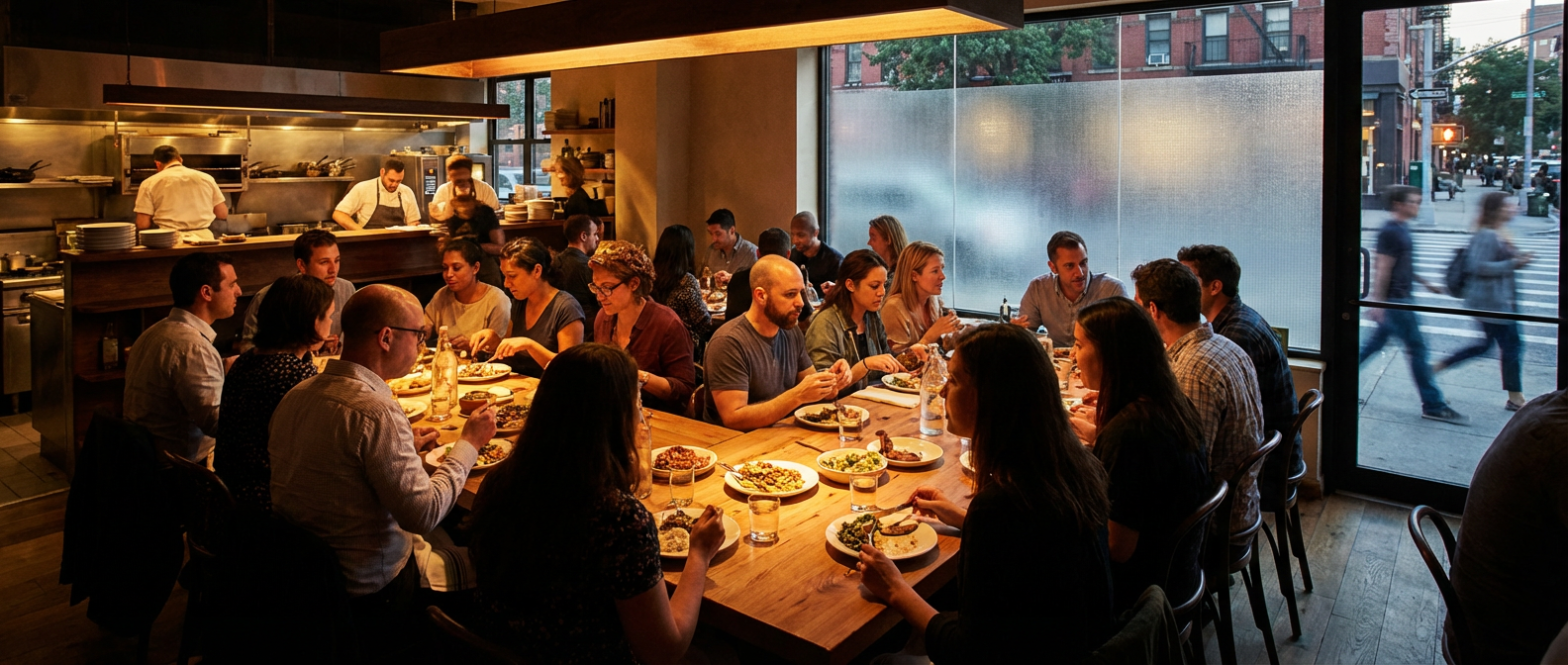
There’s this particular moment in cultural cycles when you can feel something fundamental changing. Not incrementally. Not in the way trends usually move. But the kind of shift where suddenly the entire architecture of how we think about a thing reorganizes itself almost overnight. That’s where we are with neighborhood restaurants right now, and honestly, I didn’t fully see it coming until I started connecting the dots.
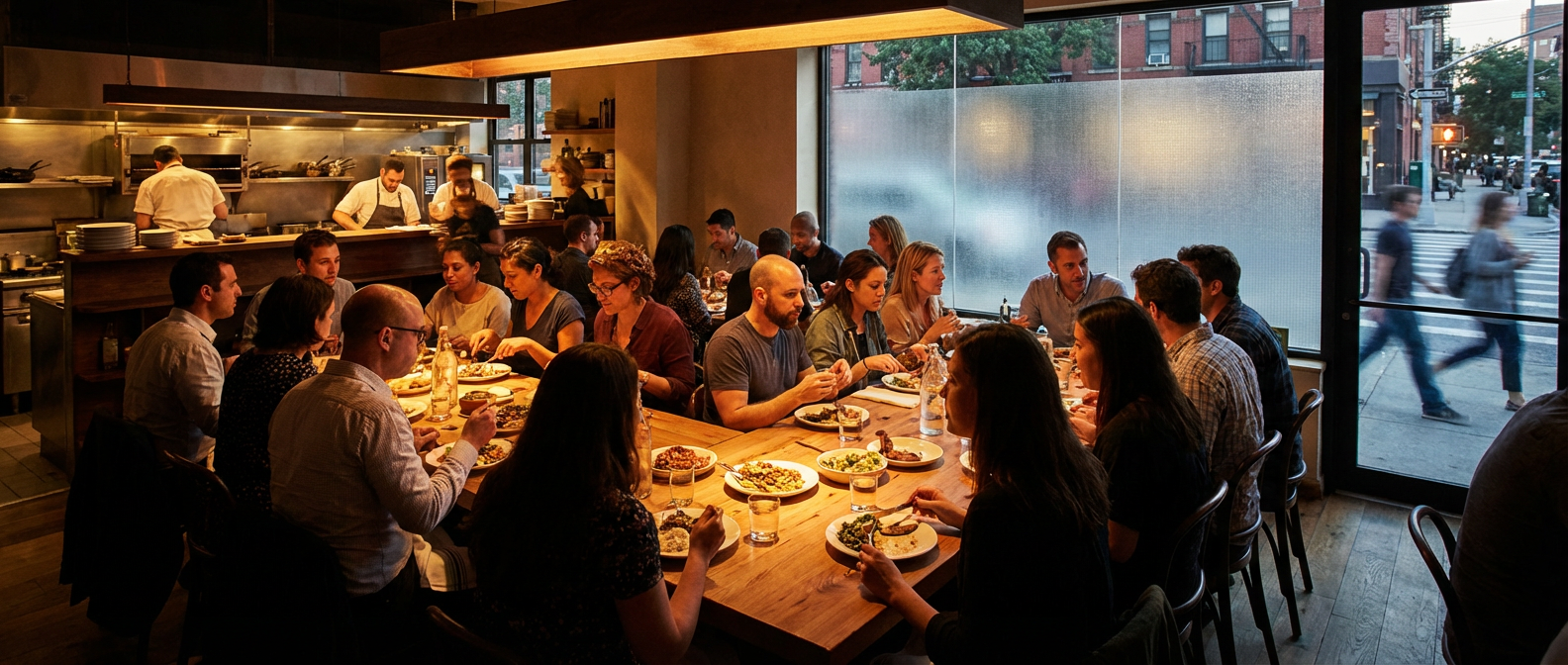
For the past three years, the restaurant world seemed obsessed with proving that you didn’t need a physical space at all. Ghost kitchens thrived. Delivery-only concepts multiplied. Everything felt optimized for convenience, for the algorithm, for the frictionless transaction. But something broke in that model around 2024. It wasn’t dramatic. No announcements. Just a quiet recognition that we’d been chasing the wrong thing. And now, in 2025, we’re watching the neighborhood restaurant transform into something we haven’t quite seen before: a genuine community anchor, designed around presence and connection as much as food.
When Awards Recognition Becomes a Cultural Barometer
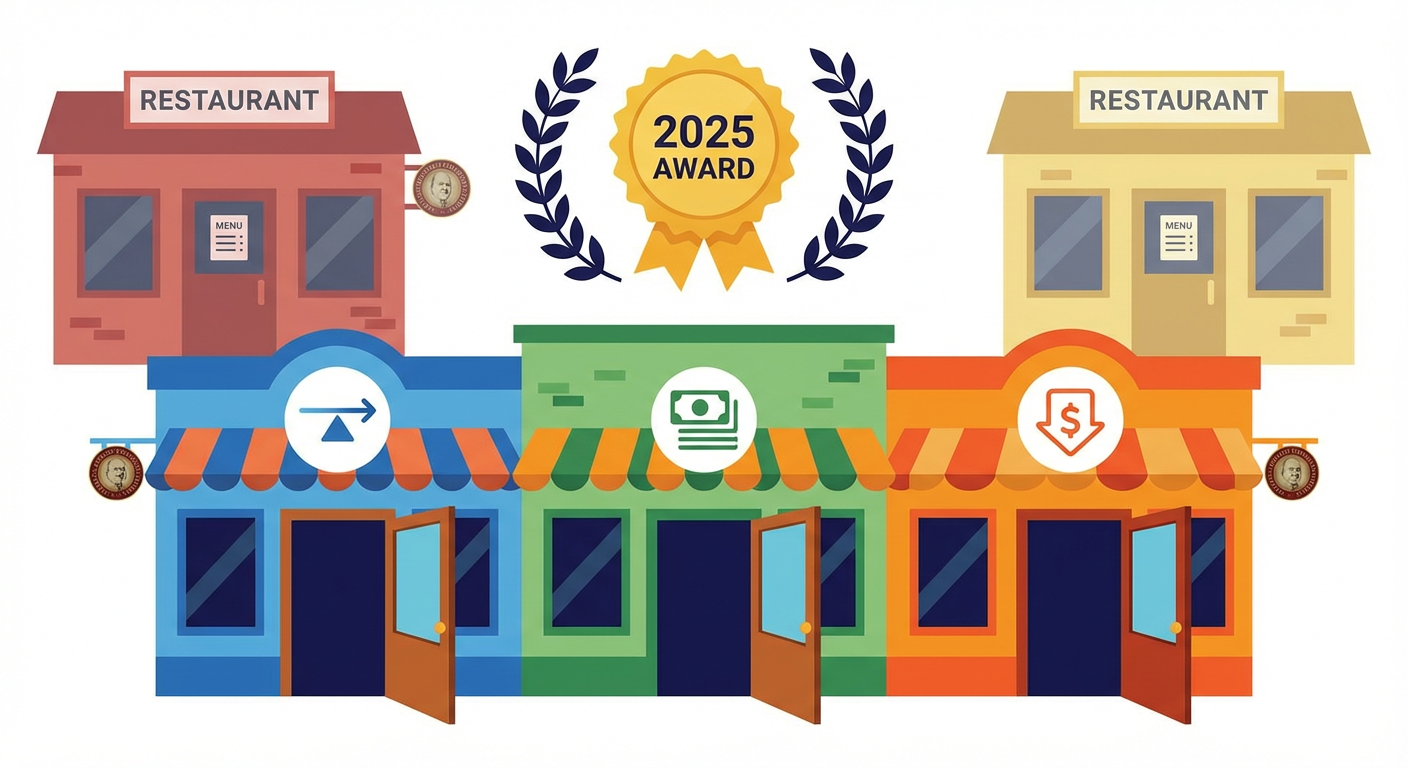
One of the clearest signals came earlier this year when the James Beard Foundation Awards & Programs released their America’s Classics honorees. The Beard Awards have always mattered, but this year felt different. Three of the five winners were operating on sliding-scale or pay-what-you-can pricing models. That’s not a small detail. That’s the tastemaking establishment basically saying: this is the direction that matters right now.
What struck me most wasn’t that these restaurants were doing community work. That’s been happening quietly for years in kitchens and dining rooms across the country. It was that the work was being elevated, celebrated, centered. The institutions that determine what we think is valuable in restaurant culture were making a statement about what constitutes excellence now. And the statement was: accessibility and community participation are not separate from the quality of the food. They’re integral to it.
The Neighborhood Anchor Replaces the Ghost
Eater’s Year in Restaurants feature this year identified something that’s been building momentum since late 2024: the neighborhood anchor concept is officially the defining restaurant archetype of 2025. That might sound abstract until you actually walk into one of these places. They’re not trying to be destinations. They’re trying to be essential. They’re the spots where the graphic designer knows the owner, where the after-school program coordinator runs into the ceramicist, where something that resembles actual community actually happens.
The contrast with what came before is stark. Ghost kitchens were built on the premise that restaurants could be invisible infrastructure. Just food appearing on your doorstep, generated from nowhere, delivered by algorithm. The neighborhood anchor model says something almost radical: we want you to know where this food comes from. We want you to know the people making it. We want you to be part of something when you eat here.
What’s remarkable is that this isn’t some boutique, upper-class concept either. The places leading this shift are operating across different price points, neighborhoods, and cuisines. Some are fine-casual. Some are casual. Some are high-end. But they’re all unified by the same principle: the restaurant exists first as a space for the people around it.
Programming, Retention, and the Data of Connection
Here’s where the economics get interesting. A Cornell School of Hotel Administration study released recently measured what happens when restaurants actually build community programming into their operations. Dinners for local artists. Sliding-scale nights. Pop-up collaborations with neighborhood makers. Restaurants that did this explicitly reported 22% higher customer retention than comparable spots without that programming. That’s not marginal. That’s a significant business advantage that comes from genuine community engagement.
Chicago’s Monteverde Restaurant, run by Sarah Grueneberg, launched something called Community First Fridays earlier this year: a prix-fixe series specifically designed around neighborhood participation. The response was almost absurd. The entire series booked solid through 2026 within 72 hours of the announcement. Grueneberg wasn’t creating an exclusive experience. She was creating an invitation. And people responded like they’d been waiting for exactly that.
The National Restaurant Association State of the Industry forecast for 2026 suggests this isn’t an outlier or a moment. The prediction is that community dining programming gets adopted by roughly a third of independent full-service restaurants by the end of next year. That’s a jump from about 12% in 2024. In restaurant terms, that’s a seismic shift in less than two years.
What This Actually Means, and Why Now
I think the timing matters. We spent years getting more efficient, more streamlined, more optimized. Restaurants adapted to delivery models and reduced footprints and minimized labor. And it worked, in a narrow economic sense. But somewhere in that process, people got tired of the frictionless transaction. We didn’t want food to appear like magic from nowhere. We wanted to know the cook. We wanted to belong to something.
The neighborhood restaurant reinvention happening right now isn’t sentimental nostalgia. It’s a specific response to what the previous model couldn’t deliver: genuine anchor points in communities that increasingly feel fragmented. These restaurants are becoming places where you run into people you know, where new folks get introduced to neighbors, where cultural and artistic life actually happens in proximity to good food. That’s always been part of what restaurants could do, but we stopped optimizing for it. Now we’re starting again.
The radical part isn’t any single restaurant or concept. It’s the shift in what we’re measuring as success. For a moment there, it was about delivery speed and market saturation. Now it’s about longevity, connection, and whether a place becomes genuinely indispensable to the neighborhood around it. If you’re noticing new restaurants in your area emphasizing community programming, artist partnerships, or sliding-scale pricing, you’re not seeing a fringe movement. You’re watching the dominant cultural current reorganize itself in real time.