The Geography of Belonging
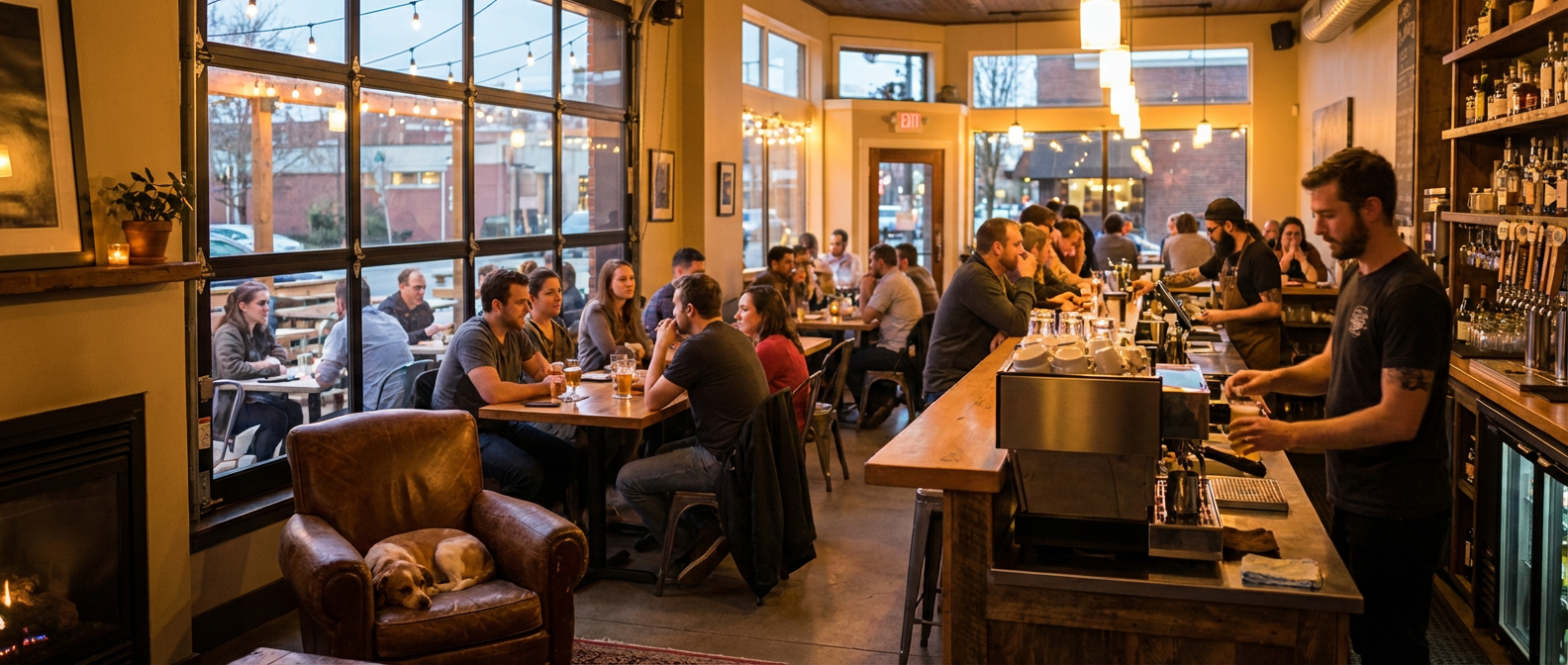
There’s a specific moment when a neighborhood bar or cafe stops being just a place you go and becomes the place you belong. Last Tuesday, I watched it happen at Redbird on Divisadero. Marcus, who’s been pulling shots there for eight months, handed me my cortado before I ordered it. Not because I’m predictable, but because we’d crossed that invisible threshold where service becomes recognition, transaction becomes relationship.
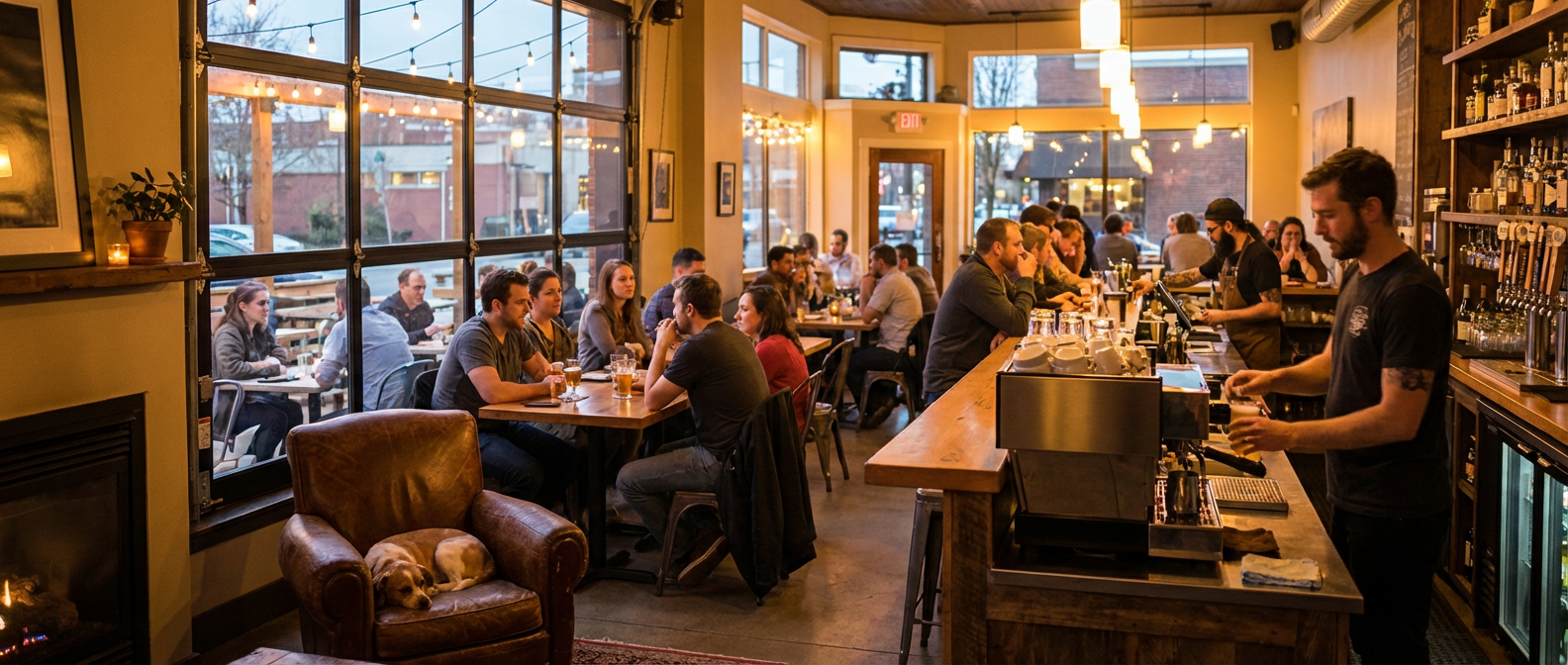
This is how great neighborhood spots actually work. They don’t manufacture community through Instagram-worthy design or branded merchandise. They build it through the accumulated weight of small interactions, repeated over time, until the space becomes social infrastructure as essential as the corner grocery or the good mechanic.
The best spots understand they’re third places, those crucial environments between home and work where society actually happens. They’re the stages where local culture gets written, one conversation at a time.

The Constellation Effect
Great neighborhood culture doesn’t happen in isolation. It emerges from clusters of complementary spaces that create a gravitational pull for interesting people. Walk down 18th Street in the Mission and you’ll see this in action: Clarion Alley’s murals feed into Tartine’s morning energy, which spills into El Rio’s afternoon sun, which flows into Zeitgeist’s evening chaos.
Each spot plays a different note, but together they compose something larger. The wine bar that stays open late becomes the natural progression from the coffee shop that closes early. The dive bar with the excellent jukebox provides the counterpoint to the craft cocktail spot with the serious whiskey list.
This ecosystem requires intention from both owners and patrons. The bartender at Pop’s on 24th Street doesn’t just pour drinks, she manages conversations, introduces strangers who should know each other, remembers what everyone’s working on. The regulars don’t just show up, they bring friends, support events, create the social fabric that makes newcomers want to stay.
When this constellation clicks, the neighborhood becomes a cultural destination rather than just a place people happen to live. Artists move there because other artists are already there. The good spots beget more good spots. The energy becomes self-sustaining.
The Alchemy of Timing
Cultural moments don’t emerge in a vacuum. They require the perfect collision of affordable rent, visionary operators, and enough people with both time and creative energy. The Castro in the 70s, the Mission in the 90s, certain stretches of Oakland and Long Beach right now, they all share this formula.
Take Wooden Nickel in the Excelsior. Five years ago, that corner was nothing special. But owner Sarah Chen opened during that sweet spot when the rent was still manageable, the neighborhood was hungry for a gathering place, and a new generation of locals was ready to invest in community. She programmed poetry nights, hosted local artists, stayed open late enough to become the natural endpoint for dinners elsewhere in the neighborhood.
The timing mattered as much as the execution. Open too early, and there’s no audience. Too late, and the rents have priced out both the operators and the community they’d work with. The magic happens in that narrow window when possibility meets affordability meets vision.
These moments are fragile. They depend on operators who understand that building culture is a long-term project, not a quick flip. They require customers who see themselves as participants, not just consumers. Most importantly, they need time to develop the worn-in feel that can’t be manufactured or rushed.
When The Music Changed
Last month, something shifted at Lost Weekend Video on Valencia. It wasn’t dramatic, just Troy behind the counter putting on a Broadcast record instead of the usual indie rock, and suddenly everyone in the store started actually talking to each other instead of just browsing silently. The music created permission for a different kind of interaction.
These small choices separate memorable spots from forgettable ones. The playlist at your neighborhood bar isn’t background noise, it’s cultural signaling. The books on the shelves at the coffee shop, the art on the walls, the way the staff interacts with regulars versus tourists, these details accumulate into an atmosphere that either welcomes or excludes.
The best spots understand that choosing what to put on is part of hospitality. They’re not trying to please everyone, they’re trying to create a specific vibe that attracts their people. When Village Sake puts on obscure Japanese punk, when Trouble Coffee plays the same Tom Waits album on repeat, when Woods Bar & Brewery hangs local photography that actually matters, they’re making choices that signal what kind of place this is and who belongs here.
This specificity is what creates loyalty. People don’t become regulars at generic places. They become regulars at places that reflect something back to them about who they are or who they want to be.
The Long Game
Real neighborhood culture operates on a different timeline than the rest of the economy. It takes years to build the trust that makes someone feel comfortable bringing their laptop to work at the corner table. It takes months of consistent quality before the morning regulars start recommending the place to friends. It takes time for the staff to learn the rhythms of the neighborhood, to understand which nights need quiet music and which can handle a party.
The spots that last understand this. They’re playing the long game, building relationships rather than chasing trends. They know that Instagram popularity fades, but the regular who stops by every Tuesday morning is cultural capital that appreciates over time.
Right now, I’m watching this slow build happen at a few different places around the city. There’s a new wine bar in Glen Park where the owner is clearly more interested in building community than maximizing profit. A coffee shop in the Sunset where the barista remembers not just your drink order but what you were reading last week. These places are still finding their rhythm, still figuring out what they want to be.
The question isn’t whether they’ll succeed in the next six months. The question is whether they’ll still be here in three years, whether they’ll have created something worth protecting, whether they’ll have become the kind of place that shapes a neighborhood rather than just works within it. If you know a spot that’s currently in this delicate phase of becoming, spend some time there. Show up consistently. Bring friends. Help write the story while it’s still being told.