There’s a particular kind of laughter that happens in a gallery when someone finally says what everyone else is thinking. Not the polite chuckle of a collector, or the nervous giggle of a student trying to seem informed. It’s the sharp, involuntary bark of recognition—the sound of a shared suspicion being named. The best cultural critics have always known how to produce this sound. They’re not comedians, exactly, but they understand that humor is a form of evidence. A joke can expose a weak argument faster than a paragraph of rebuttal. A well-timed aside can puncture the self-seriousness of a platform that would rather you not look too closely at its seams.

This is not a defense of snark for its own sake. Snark is cheap; it flatters the audience without asking them to think. The critics who matter—the ones whose work sticks to your ribs—use humor as a diagnostic tool. They’re funny because they’re precise, and they’re precise because they’ve spent years looking at the material conditions of culture: the way a JPEG compresses a painting into a thumbnail, the way a streaming platform flattens an album into a playlist tile, the way a recommendation algorithm mistakes repetition for taste. Humor, in their hands, is a way of making those conditions visible.
This article is for readers who suspect that the funniest take is often the truest one. It’s for people who have laughed at a meme about a museum’s Instagram account and then wondered why the joke landed. It’s for anyone who has ever felt that the discourse around digital culture is too polite, too deferential, too afraid to admit that a lot of what passes for taste is just infrastructure wearing a costume. We’ll look at why humor works as criticism, what it costs to be funny in a medium that rewards outrage, and how the best critics turn a punchline into an argument.
The Serious Work of Not Being Serious
There’s a persistent myth that seriousness and humor are opposites. The myth is useful to institutions, because it lets them dismiss a critic’s joke as mere entertainment while ignoring the critique inside it. But the history of cultural criticism is full of writers who understood that a joke can carry more weight than a solemn pronouncement. Think of the way a well-placed parenthetical in a review can reveal the absurdity of a curator’s wall text. Think of the way a critic’s deadpan description of a video installation can expose the gap between the work’s ambition and its execution. The humor is not decoration; it is the argument.
Part of the reason humor works so well in criticism is that it operates on the same principle as a good close reading. A joke depends on timing, on the careful arrangement of expectation and surprise. A critic who can land a punchline has demonstrated that they understand the structure of the thing they’re mocking. They’ve seen the pattern, identified the weak point, and applied pressure. This is not a trick; it’s a method. The funniest critics are often the most rigorous ones, because they have to be. You cannot parody what you do not understand.
There’s also a social function to this kind of humor. When a critic makes you laugh at a platform’s design choices—the infinite scroll, the autoplay, the algorithmic nudge toward content you never asked for—they’re doing something that a dry analysis cannot. They’re breaking the spell. The interface is designed to feel natural, inevitable, invisible. A joke makes it strange again. It reminds you that someone made these choices, and that those choices serve someone’s interests. That’s a political act, even when it’s delivered as a one-liner.
Humor as a Materialist Method
This blog has always been interested in the materiality of digital images: the way a photograph is compressed, the way a color profile shifts from screen to screen, the way a platform’s crop tool decides what matters in a frame. Humor is a natural fit for this kind of analysis, because humor is also material. It depends on the specific texture of a word, the rhythm of a sentence, the physical act of a well-timed pause. A critic who is funny is paying attention to the medium of language itself, not just the content of the message.

Consider the way a critic might describe the experience of scrolling through a museum’s online collection. The images load slowly, each one a high-resolution file squeezed through a content delivery network. The interface offers you a “zoom” feature that reveals the cracks in the paint, but also the pixels. A dry critic might note that the digital reproduction is not a substitute for the original. A funny critic might say that the zoom feature is the only place where the painting’s age is visible, because the platform’s compression algorithm has smoothed away every other trace of time. The joke is in the specificity: the algorithm is not just a technical detail; it’s a character in the story.
This is what separates the best funny critics from the merely sarcastic ones. Sarcasm is a blunt instrument; it flattens everything it touches. The critics who matter use humor to sharpen distinctions, not to erase them. They’re funny about the things they love, not just the things they hate. They can make you laugh at a platform’s absurdity while still acknowledging that the platform has given you something you value. That’s a harder trick, and it’s the one that builds trust over time.
The Labor Behind the Laugh
There’s a reason why so much cultural criticism is not funny. Being funny in print is hard. It requires a level of control over language that most writers never develop, and it requires a willingness to be wrong in public. A joke can fail. A punchline can land flat. A critic who tries to be funny and misses looks foolish in a way that a critic who is merely boring never does. The risk is real, and it’s one of the reasons why so many publications default to a tone of careful neutrality. Neutrality is safe. Neutrality does not get you ratioed.
But neutrality is also a kind of lie. It pretends that the critic has no stake in the argument, no position from which they’re speaking. The funniest critics are honest about their position, because humor is always positional. A joke comes from somewhere. It has a point of view, a set of assumptions, a target. When a critic makes you laugh, they’re also telling you where they stand. That’s a form of intellectual honesty that a neutral tone cannot match.
The labor of being funny is also a labor of attention. You cannot write a good joke about a platform’s interface unless you’ve spent time with that interface, noticed its quirks, and thought about why they exist. You cannot parody a curator’s wall text unless you’ve read enough wall texts to know their conventions. The humor is a byproduct of the looking, not a substitute for it. This is why the best funny critics are also the best researchers. They’ve done the work, and the joke is the proof.
What the Platforms Want
Digital platforms have a complicated relationship with humor. On the one hand, they love it. Funny content travels fast. A sharp tweet about a museum’s Instagram strategy can reach more people than the museum’s own posts. A viral meme about a streaming service’s interface can do more to shape public perception than a thousand think pieces. The platforms are built to amplify this kind of content, because it drives engagement, and engagement drives ad revenue.
On the other hand, the platforms are also the target of the humor. The funniest critics are often the ones pointing out that the platform’s design is not neutral, that the algorithm is not a neutral arbiter of taste, that the interface is making choices on your behalf. This kind of humor is dangerous to the platform, because it undermines the illusion of inevitability. It reminds users that the feed could be different, that the recommendation engine could be tuned another way, that the whole system is a set of choices made by people with interests. That’s a threat to the business model.
This is why the funniest critics often find themselves in an awkward position. They’re rewarded for their humor, but only up to a point. The platform will amplify a joke that flatters its users, but it will throttle a joke that questions its own design. The critic who wants to be funny about the platform itself has to find ways to smuggle the critique past the algorithm. This is a form of labor that is rarely acknowledged, but it’s essential to understanding why the best cultural criticism is also the funniest. The humor is not just a style; it’s a strategy for survival.
The Cost of the Punchline
There’s a cost to being the funny one in the room. The critic who makes people laugh is often not taken as seriously as the critic who makes people nod solemnly. The joke is seen as a distraction from the argument, even when the joke is the argument. This is a form of gatekeeping, and it’s worth naming. The institutions that shape cultural discourse—the universities, the museums, the publications—have a preference for a certain kind of tone. They want criticism that sounds like criticism, that performs its seriousness through vocabulary and syntax. A critic who is funny is always at risk of being dismissed as a mere entertainer.
But the best funny critics have learned to use this dismissal as a weapon. They know that the people who underestimate them are the ones who will be most surprised when the joke turns out to be the sharpest point in the room. They know that humor is a way of sneaking past the defenses of an audience that has been trained to resist argument. A reader who laughs at a joke about a platform’s design is a reader who has already accepted the premise of the critique. The laughter is the door opening.
This is not to say that every funny critic is a secret genius. There are plenty of critics who use humor as a substitute for thought, who mistake a clever turn of phrase for an actual insight. The difference is in the follow-through. The best funny critics do not stop at the punchline. They use the laughter as a starting point, a way of creating the conditions for a more sustained argument. The joke is the hook; the analysis is the line. Both are necessary.
How to Read a Funny Critic
If you want to get better at recognizing the difference between a critic who is funny and a critic who is merely glib, there are a few things to look for. First, pay attention to the specificity of the humor. A glib critic makes jokes that could apply to anything. A funny critic makes jokes that could only apply to this particular work, this particular platform, this particular moment. The specificity is the tell. It means the critic has actually looked at the thing they’re mocking.
Second, pay attention to the target of the joke. A glib critic punches down. They make fun of the easy targets: the earnest artist, the sincere fan, the person who is trying and failing. A funny critic punches up. They make fun of the institutions, the platforms, the gatekeepers, the people who have power and are using it badly. The direction of the humor tells you whose side the critic is on.
Third, pay attention to what happens after the laugh. A glib critic moves on to the next joke. A funny critic uses the laughter as a bridge to something more substantial. They follow the punchline with a paragraph that makes you think, that complicates the joke, that shows you the serious stakes underneath the humor. The best funny critics are always doing two things at once: making you laugh and making you see.
The Future of Funny Criticism
The conditions that make funny criticism possible are changing. The platforms that once rewarded a sharp one-liner are now optimized for outrage, for the kind of content that makes people angry enough to share but not thoughtful enough to reflect. The space for humor is shrinking, even as the demand for it grows. Readers are hungry for critics who can make them laugh, but the algorithms are not built to serve that hunger. They’re built to serve the advertisers, and advertisers do not want laughter; they want attention.
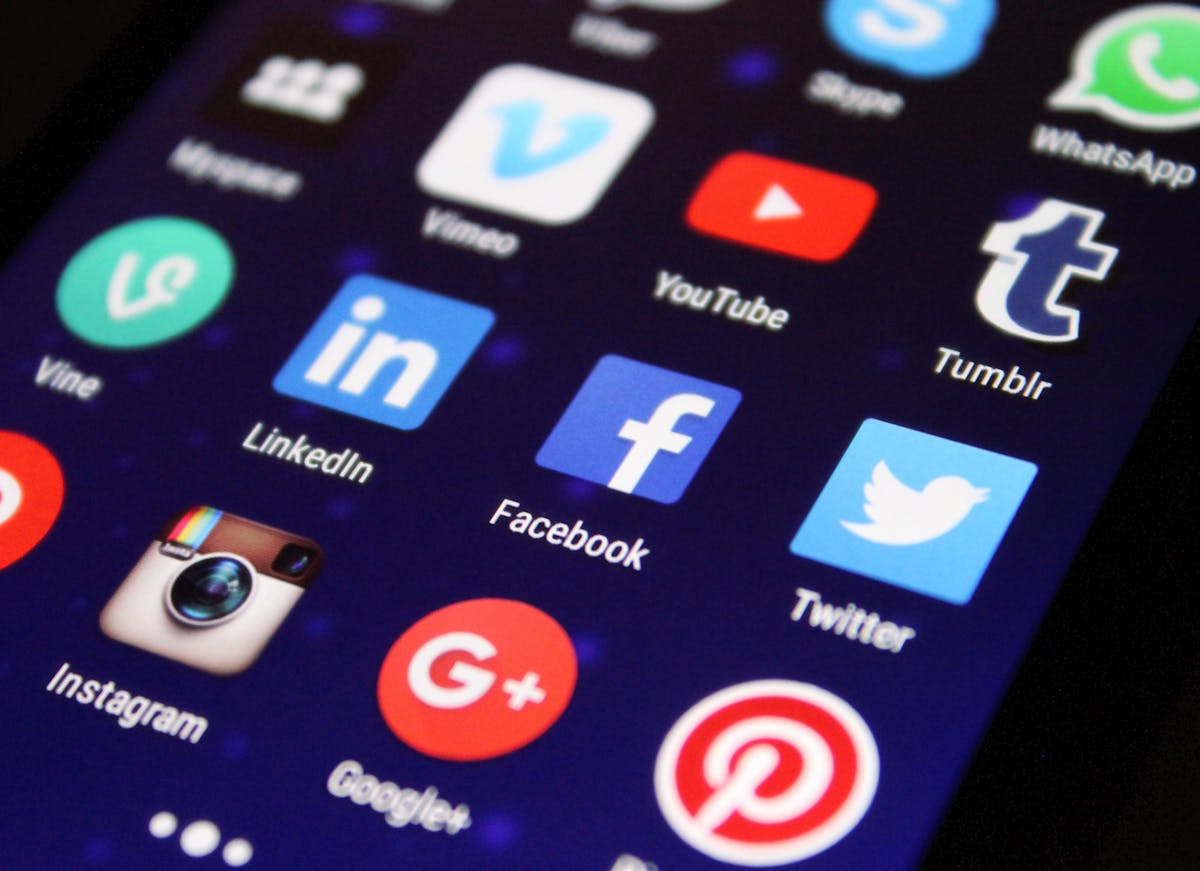
This is a problem for the future of cultural criticism, but it’s also an opportunity. The critics who can still be funny in this environment are the ones who have figured out how to work the system without being captured by it. They’re the ones who understand that humor is not a luxury but a necessity, a way of keeping the discourse honest when everything around them is trying to make it stupid. They’re the ones who will be remembered, not because they were the loudest, but because they were the sharpest.
The next time you laugh at a critic’s joke about a platform’s design, pay attention to what happens next. Does the critic build on the joke, or do they just move on? Do they use the laughter to make a point, or do they just want the applause? The answer will tell you whether you’re reading a critic who is funny or a critic who is merely performing funniness. The difference matters, because the future of cultural criticism depends on the people who can do both: make us laugh and make us think.
Frequently Asked Questions
Why is humor so effective in cultural criticism?
Humor works because it operates on the same principle as close reading: it depends on timing, pattern recognition, and the careful arrangement of expectation and surprise. A critic who can land a punchline has demonstrated that they understand the structure of the thing they’re mocking. Humor also breaks the spell of platform design, making invisible choices visible again. It’s a diagnostic tool, not just a style.
What is the difference between a funny critic and a glib one?
A glib critic makes jokes that could apply to anything and punches down at easy targets. A funny critic makes jokes that are specific to the work or platform under discussion and punches up at institutions and gatekeepers. The key difference is follow-through: a funny critic uses the laughter as a bridge to a more substantial argument, while a glib critic just moves on to the next joke.
Why do digital platforms have a complicated relationship with funny criticism?
Platforms love funny content because it drives engagement, but they’re also often the target of the humor. Critics who joke about algorithmic design or interface choices undermine the illusion that the platform is neutral or inevitable. This threatens the business model, so platforms tend to amplify humor that flatters users while throttling humor that questions the platform’s own design.
How can I tell if a critic is using humor as a substitute for thought?
Look at what happens after the laugh. If the critic moves on to the next joke without developing the insight, the humor is likely a substitute for thought. If the critic uses the punchline as a starting point for a more sustained argument, the humor is doing real critical work. Also check the specificity of the joke: a joke that could apply to anything is a sign of glibness, not rigor.
What to Read Next
This article is part of a longer conversation about the material conditions of digital culture. If you’re interested in the way platforms shape taste, you might want to read about the labor behind the recommendation algorithm, or the specific design choices that make a museum’s online collection feel like a shopping site. The funniest critics are often the ones who have done the most looking, and the looking is what this blog is for.