
The Great Emptying and Its Unexpected Gifts
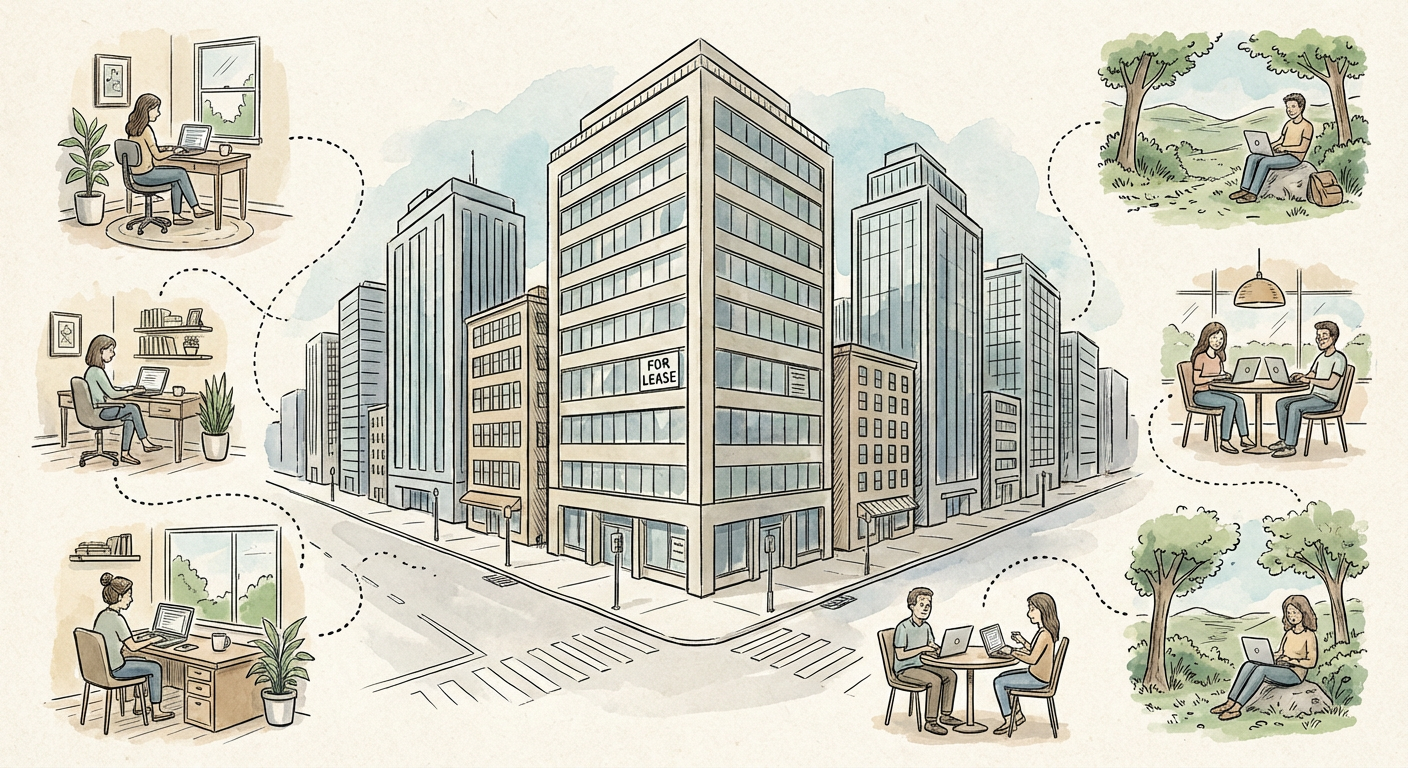
The pandemic didn’t just change how we work, it flipped the entire gravitational pull of our cities upside down. When remote work went from emergency measure to permanent policy, those humming downtown office towers turned into expensive monuments to the way things used to be. This mass exodus from business districts created something we’ve never seen before: huge urban voids that cities are now racing to fill. And they’re not just plugging holes with more of the same corporate tenants, they’re trying completely different approaches to what a city center can be.
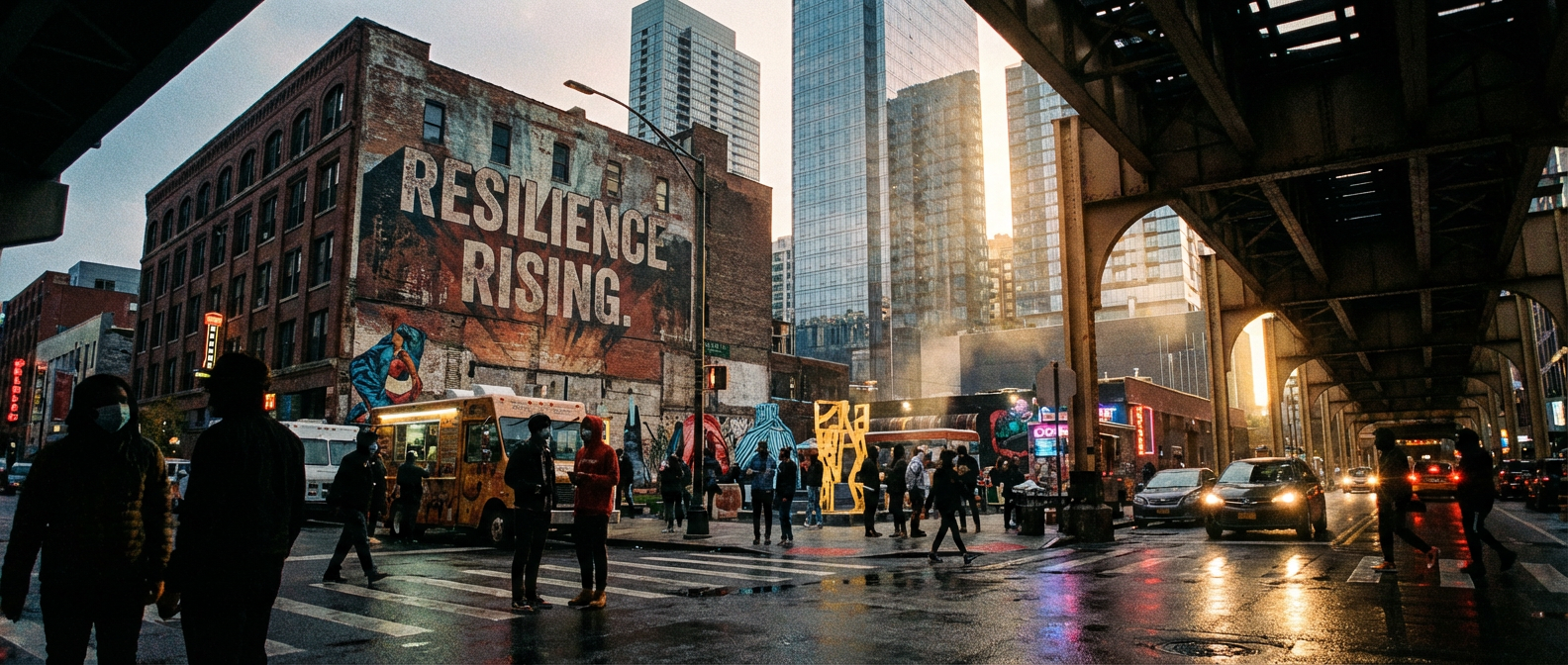
The emptying of these commercial centers forced cities to ask a question they’d been dodging for decades: if downtown isn’t for offices, what is it for? The answers coming out of places like Detroit, Providence, and Portland are pretty remarkable. Mixed-use cultural districts where former corporate lobbies house artist studios. Empty office floors that turned into community theaters. That rigid wall between work and culture that defined how we built cities in the 20th century is crumbling into something messier but more human.
This goes way beyond just finding new tenants for old buildings. Cities are rethinking their entire identity, making culture the center of gravity instead of commerce. The ones that lean into this shift are discovering their authentic voice in ways that chasing pure economic development never allowed them to.
The Institutional Reckoning in Middle America
While big metros figure out what to do with all that empty office space, mid-sized cities are dealing with something different and arguably worse. Cultural institutions that anchored these places for generations have shut down for good. Regional theaters, mid-tier museums, independent music venues that defined what made these cities special have closed permanently, leaving communities to rebuild their cultural identity from scratch. But here’s the thing: this institutional collapse, devastating as it’s been, cleared the way for grassroots cultural movements that actually reflect how people live now.
In cities like Rochester, Tulsa, and Charleston, losing those traditional cultural gatekeepers opened up space for more democratic arts programming. Pop-up galleries in former bank buildings. Neighborhood festivals replacing those sterile centralized arts districts. Local musicians finding their audiences in brewery taprooms and community gardens instead of formal concert halls. The CityLab urban culture analysis of these trends shows how institutional failure can actually spark cultural innovation when communities are ready to grab the opportunity.
This move toward distributed, community-driven culture feels like a return to the neighborhood-scale arts programming that American cities had before mega-institutions took over everything. The difference now is that cities are doing this on purpose. They’re actively supporting these micro-cultural initiatives through policy changes and funding that recognizes cultural value beyond the old metrics of attendance and revenue.
The Creative Class Paradox
Here’s the ironic twist: these new post-pandemic cultural districts are working so well that they’re bringing back all those old debates about displacement and authenticity that cities thought they’d figured out. Remote workers and creative professionals moving to affordable neighborhoods bring energy and investment, but they also drive up rents and change the social fabric. Cities are back to that impossible choice between economic vitality and social equity, or trying to find ways to get both.
The displacement patterns in cities like Austin, Nashville, and Denver show just how complicated this gets. Creative professionals hunting for affordable studio space settle in working-class neighborhoods that already have their own cultural traditions. The newcomers bring investment and visibility, but they also make it harder for existing residents to afford staying. Urban planners are stuck trying to capture the cultural energy of these new arrivals while protecting the communities that made these neighborhoods appealing in the first place.
Some cities are trying innovative solutions that acknowledge both sides of this problem. Community land trusts that preserve affordable housing while allowing cultural development. Zoning changes that require new developments to include community space. Local hiring preferences for city-funded cultural projects so existing residents actually benefit from neighborhood improvements. These approaches suggest the creative class paradox isn’t impossible to solve if cities commit to intentional, inclusive planning.
Reclaiming the Night
The pandemic’s destruction of nightlife made cities realize how thoroughly they’d regulated spontaneous cultural expression out of existence. All those curfews, noise ordinances, and licensing requirements that seemed reasonable during daytime planning meetings revealed their cultural cost when applied to the informal economy of after-hours creativity. Now, as cities rebuild their evening economies, they’re experimenting with policies that treat nighttime culture as essential infrastructure instead of a necessary evil to be managed.
Cities like Miami, Portland, and Boston have appointed dedicated nighttime economy managers. These are actual officials whose job is balancing resident concerns against cultural vitality. It’s a big shift from traditional approaches that always prioritized order and quiet over creative expression. The results include extended venue hours, streamlined permitting for cultural events, and designated entertainment districts where different noise standards apply.
This policy evolution reflects a broader understanding that cities need cultural rhythms extending beyond business hours. Night markets, outdoor cinema series, late-night arts programming create those spontaneous encounters that define what urban culture actually feels like. The Curbed urban design coverage of these initiatives shows how thoughtful nighttime planning can activate underused spaces while respecting residential communities.
The Return of Third Places
Maybe the biggest cultural shift in post-pandemic cities is how much people now value spaces that exist between home and work. Coffee shops, libraries, parks, community centers. The “third places” that sociologist Ray Oldenburg identified as essential to civic life have gained new importance as remote work blurs all our old boundaries. Cities are responding with policies that recognize these spaces as cultural infrastructure worth public investment.
Look at what’s happened with library programming. Public libraries have evolved from book repositories into community cultural centers with maker spaces, evening concerts, and programming that extends far beyond their traditional role. Parks departments now program outdoor spaces year-round, creating cultural calendars that go way beyond summer festivals. Independent coffee shops receive small business support that recognizes their role as informal community centers where cultural connections form organically.
This investment in third places shows a sophisticated understanding of how urban culture actually develops. Instead of building expensive cultural monuments, cities are supporting the everyday spaces where residents encounter art, ideas, and each other. The approach acknowledges that culture happens in the gaps between formal programming, in conversations that emerge when people have places to gather without an agenda.
Meanwhile, the collapse of local journalism has left over 200 counties without dedicated news coverage, creating information voids that affect how communities understand their own cultural evolution. As cities invest in new forms of cultural infrastructure, they also have to grapple with how cultural stories get told and by whom. Without local media coverage, many cultural innovations remain invisible, limiting their potential influence and replication.
The cities coming out strongest from this cultural reckoning share certain characteristics: they’ve embraced uncertainty as creative opportunity, invested in community-scale cultural infrastructure, and recognized that authentic urban culture requires both stability and space for innovation. What cultural transformations are you witnessing in your own city, and how might they contribute to this larger story of urban reinvention?