
The Billion-Dollar Bedroom Revolution
The moment arrived quietly, without fanfare or press releases. Somewhere between a teenager writing fanfiction at 2 AM and another designing custom merchandise for their favorite streamer, the global economy shifted. What we once dismissed as niche hobbies has turned into a $34 billion market that includes everything from concert tickets to collectible figures. The transformation didn’t happen in boardrooms or marketing departments. It came from bedrooms, dorm rooms, and coffee shops where passionate fans decided to turn their obsessions into creation.

This wasn’t just about money changing hands. The rise of internet subcultures completely changed who gets to be a cultural producer and how cultural value gets decided. Traditional gatekeepers found themselves bypassed by communities that could organize, fund, and distribute culture on their own terms. The Know Your Meme culture tracking phenomenon is just one example of how these communities document and preserve their own cultural moments, creating archives that rival what institutions do.
The Psychology of Digital Devotion
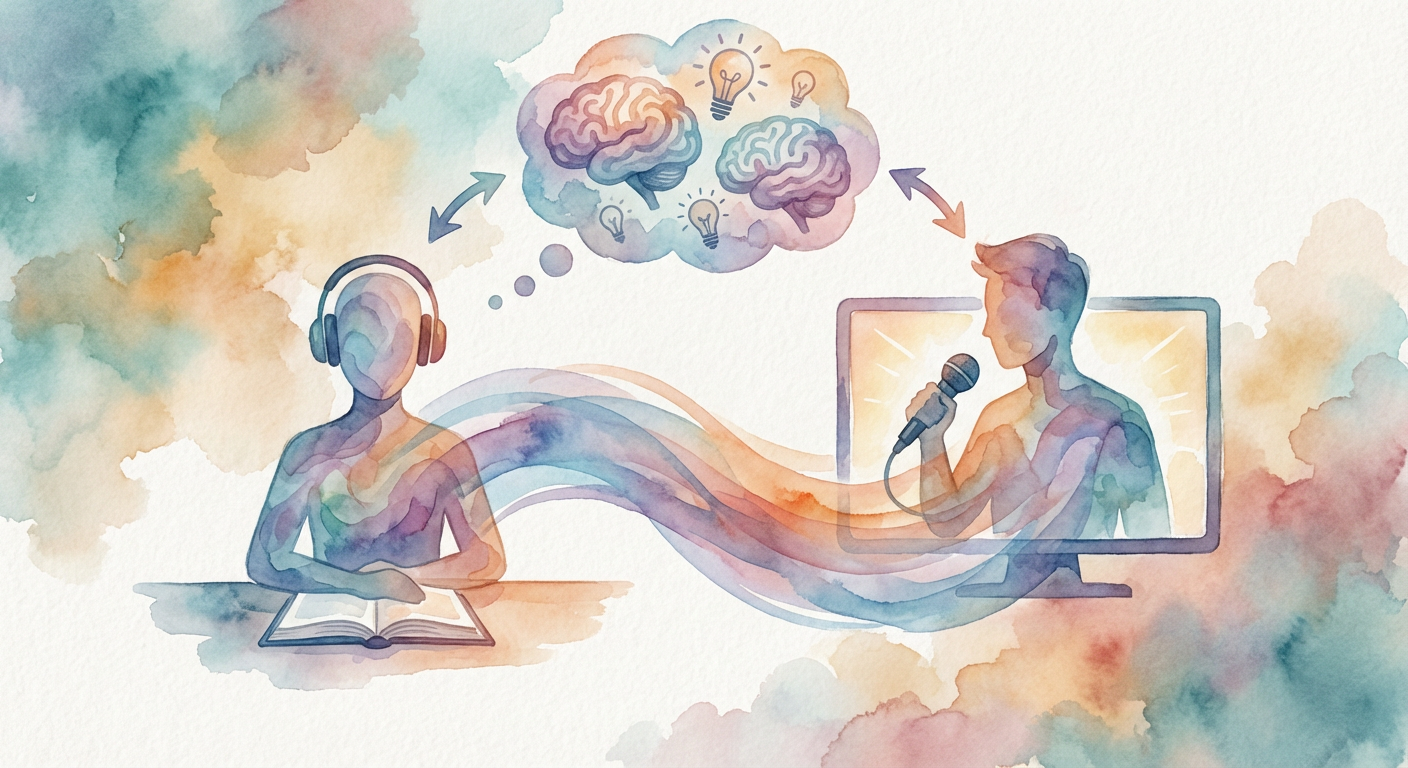
Behind every thriving fandom is a complex web of parasocial relationships that researchers are only beginning to understand. These one-sided emotional connections between fans and creators have become the psychological foundation of entire economic ecosystems. Fans develop genuine feelings of friendship, mentorship, or even romantic attraction toward people they’ve never met. This creates an unprecedented form of emotional investment in cultural products.
The intensity of these relationships explains why fan communities can mobilize with remarkable speed and coordination. When a creator faces criticism, thousands of supporters can flood social media within hours. When a new project launches, pre-orders can crash servers. This emotional foundation has proven more powerful than traditional marketing because it operates on authentic feeling rather than manufactured desire.
Yet this same psychological dynamic creates concerning patterns. The communities that champion creators with fierce loyalty can just as quickly turn against them. Stan armies have become notorious for both driving chart manipulation to boost their favorites and organizing targeted harassment campaigns against perceived enemies. The emotional investment that fuels the fandom economy also makes it volatile and sometimes destructive.
The Creative Underground Goes Mainstream
Fanfiction platforms now host over 10 million stories spanning every conceivable fandom, from Harry Potter to Korean pop groups to indie video games. These aren’t just amateur efforts anymore. The writing quality has reached levels that challenge traditional publishing, and the diversity of voices and perspectives far exceeds what mainstream media typically offers. Readers can find stories that center their identities, explore themes that commercial fiction avoids, and engage with beloved characters in ways the original creators never imagined.
This explosion of fan-created content has established clear pathways from fandom participation to professional success. Writers who honed their craft through fanfiction have landed publishing deals, television writing rooms, and video game narrative positions. Artists who built followings drawing fanart have moved into comic book illustration, concept art for major studios, and independent graphic novel careers. The skills developed in fan communities translate directly to professional creative work, but more importantly, the networks and audiences built in fandom provide launching pads for original projects.
The Fandom culture analysis at Vulture shows how mainstream entertainment journalism now treats fan communities as legitimate cultural forces rather than curious sideshows. This recognition reflects the undeniable reality that these communities often have better cultural criticism, more sophisticated media literacy, and deeper emotional engagement than professional critics.
Community Without Geography
For Generation Z, online fandom communities have largely replaced geographic communities as primary sources of identity, belonging, and social connection. Young people who might feel isolated in their physical locations can find hundreds or thousands of like-minded individuals who share their specific interests, values, and cultural perspectives. These digital tribes offer something traditional communities often cannot: acceptance of niche interests, identity exploration without judgment, and collaborative creative opportunities.
The shift has profound implications beyond individual psychology. Political movements increasingly organize using fandom tactics and aesthetics. Social justice campaigns borrow the viral coordination strategies perfected by stan armies. Professional networks form around shared fandom experiences rather than geographic proximity or institutional affiliations. The boundaries between fan community and civic community have blurred to the point where they’re often indistinguishable.
This geographic liberation has also enabled unprecedented cultural exchange. Fans of Korean pop music in rural America can engage directly with fans in Seoul, Mumbai, and São Paulo. Anime enthusiasts can participate in global conversations that span dozens of languages and cultural contexts. The result is a form of grassroots cultural diplomacy that operates entirely outside traditional channels of international exchange.
The Infrastructure of Passion
What makes the current moment historically unique isn’t just the scale of fandom engagement, but the sophisticated infrastructure that supports it. Crowdfunding platforms enable fans to finance everything from independent films to scholarly research about their favorite franchises. Social media algorithms amplify fan-created content to massive audiences. Streaming services commission projects based on demonstrated fan demand rather than executive intuition.
The economic logic of this system rewards authentic passion over manufactured hype. Creators who genuinely understand and respect their fan communities can build sustainable careers, while those who attempt to exploit fan enthusiasm without reciprocating care often face swift rejection. The market has become remarkably efficient at telling the difference between authentic cultural moments and cynical cash grabs.
As we witness this transformation, we’re seeing the emergence of a cultural economy that values participation, creativity, and community connection over passive consumption. The fans have become the producers, the communities have become the distributors, and the passion has become the currency. Understanding these dynamics isn’t just about tracking internet trends, it’s about recognizing a fundamental shift in how culture gets made and who gets to make it.