The Great Emptying and What It Really Means
Walk through downtown Minneapolis, Charlotte, or Sacramento on a Tuesday afternoon and you’ll notice something unsettling. The sidewalks that once bustled with office workers grabbing lunch or coffee now feel sparse, almost hollow. Remote work has fundamentally altered the DNA of American downtowns, with many office buildings sitting at 60% occupancy or less compared to pre-pandemic levels. This isn’t just about real estate values or commercial tax revenue. It’s about the slow-motion dissolution of what once defined urban identity itself.
The uncomfortable truth is that many cities built their cultural identity around the rhythms of the 9-to-5 economy. Food trucks positioned themselves for the lunch rush. Bookstores stayed open late for commuters. Art galleries scheduled openings for after-work crowds. When that basic rhythm disappeared, it exposed how fragile and economically dependent our urban cultural scenes really were. The question isn’t whether remote work is good or bad, but whether cities can reinvent themselves as something more than just places where people happen to work.
When Cultural Institutions Become Casualties
Mid-size cities like Rochester, New York, or Richmond, Virginia, are getting hit particularly hard. Their regional theaters, contemporary art centers, and independent music venues operated on razor-thin margins even in good times. The pandemic didn’t just temporarily close these institutions. It revealed how many were already on life support, kept alive by corporate sponsorships, municipal grants, and the unpaid labor of passionate volunteers.
The closures aren’t just about losing entertainment options. These institutions were unofficial community centers, gathering places where different social classes and demographic groups actually encountered each other. When a city loses its main theater or its contemporary art museum, it loses something harder to replace than most people realize. What comes next is often more commercially driven but culturally thinner: escape rooms, chain restaurants, and entertainment complexes that feel the same whether you’re in Ohio or Arizona.
The ripple effects go way beyond the institutions themselves. Local artists lose places to show their work, cultural workers pack up and leave, and the social networks that kept creative communities alive start falling apart. Cities find themselves trying to rebuild cultural scenes from scratch, often with no real understanding of what made the original ecosystems work in the first place.
The Creative Class Dilemma Gets Messier
The gentrification conversation has gotten way more complicated as cities actively court creative workers to fill empty downtown spaces. Municipal governments offer artist housing incentives, co-working spaces, and cultural grants, essentially recruiting the very demographic that often leads to displacement. It’s a policy contradiction that cities would rather not examine too closely.
Here’s what nobody wants to talk about: the same remote workers and creative professionals that cities desperately want to attract are often the ones pricing out longtime residents. A freelance graphic designer working remotely for San Francisco wages can handle rent increases that completely destroy a local service worker’s budget. Cities get caught between economic survival and community preservation, usually choosing economic development while making vague promises about equity.
What makes this particularly messy is that many cities genuinely need an economic lifeline. Empty storefronts and declining tax bases create real problems for municipal services and infrastructure. But the solutions being pursued often speed up the very cultural erasure that cities claim to oppose. You get this weird municipal split personality where officials celebrate new coffee shops and art studios while longtime residents quietly get pushed out of the neighborhood.
Nightlife as the New Urban Planning Frontier
Cities are figuring out that their evening and weekend personalities might matter more than their daytime ones. With fewer office workers creating natural foot traffic, municipalities are scrambling to understand how night-time economies actually function. This means wrestling with everything from liquor licensing laws to noise ordinances to public transportation schedules.
The focus on nightlife policy represents a major shift in urban planning thinking. Traditional planning prioritized daytime commercial activity and keeping residential areas quiet. Now cities are asking completely different questions: How do you create safe, lively evening districts? How do you balance residents’ quality of life with businesses that depend on later hours? How do you support different kinds of nighttime culture, not just bars and clubs?
Some cities are experimenting with “night mayors” and extended cultural programming, while others are relaxing restrictions on outdoor dining and street performances. But these efforts often show how little municipal governments actually understand about organic cultural development. The most successful nighttime districts usually evolved naturally over decades. Cities trying to create them from scratch through policy are learning that cultural authenticity can’t be legislated into existence.
The Search for New Gathering Places
Urban planners are rediscovering the concept of “third places” – spaces that aren’t home or work but act as important community gathering spots. Libraries, parks, coffee shops, and community centers are getting renewed attention as cities recognize their role in keeping social connections alive. The challenge is that many traditional third places were already struggling before the pandemic, and creating new ones requires understanding how people actually want to connect.
The push for third places reflects a growing awareness that cities need social infrastructure as much as physical infrastructure. But there’s often a huge gap between planning intentions and cultural reality. A beautifully designed public plaza might sit empty while people gather in a slightly run-down park with better seating and more flexible rules. Cities are learning that successful third places usually grow from community needs rather than top-down design.
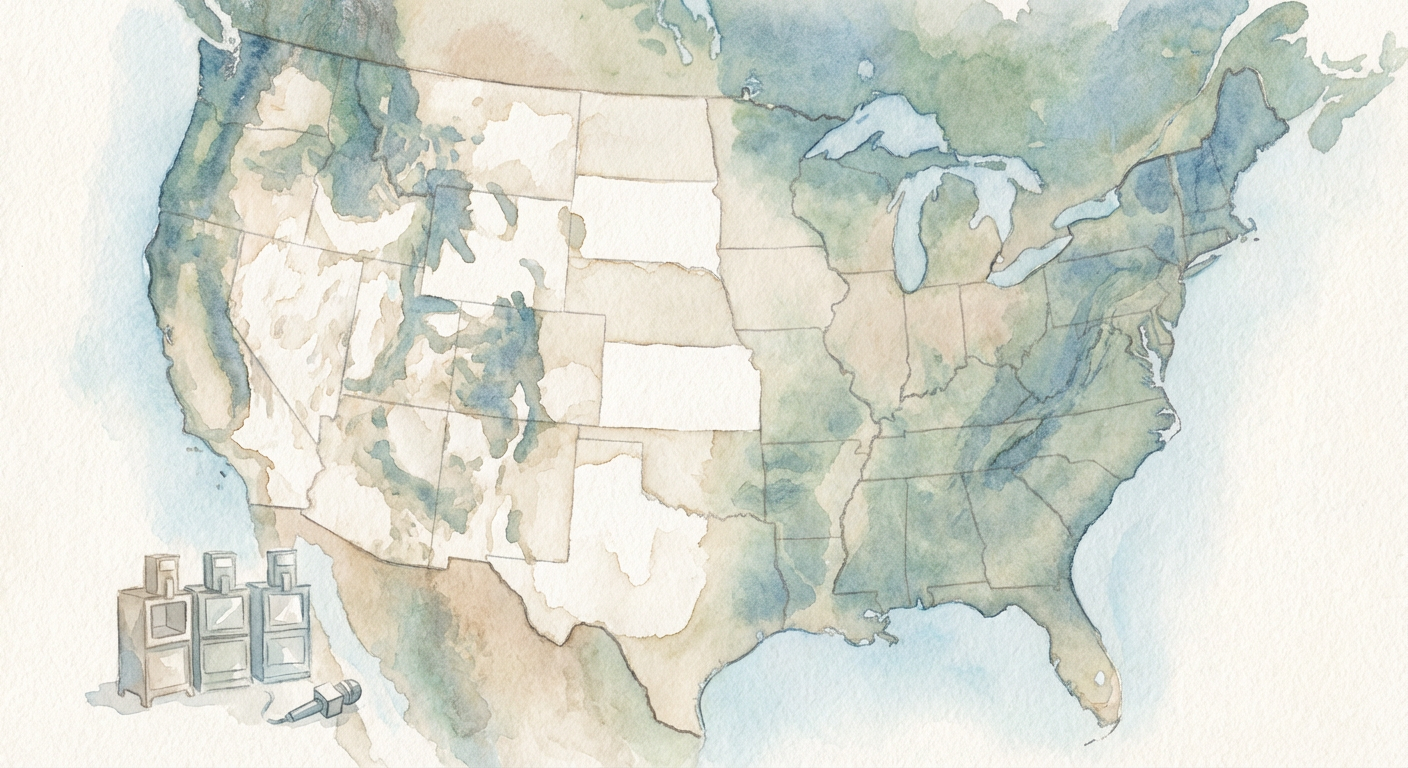
This gets more complicated because local media keeps collapsing, with over 200 American counties now lacking any local news coverage. Without local journalism, communities lose important information about municipal decisions, cultural events, and civic opportunities. You end up with a disconnect between city planning efforts and community awareness, making it much harder to create the kind of shared cultural identity that successful cities need.
The transformation of urban culture keeps accelerating, often in directions that no one fully anticipated. Cities are experimenting with new approaches to cultural development, community building, and economic sustainability. Some of these experiments will fail spectacularly, while others might point toward more resilient and inclusive forms of urban identity. As reported by CityLab urban culture and Curbed urban design, the conversation about urban futures is becoming more sophisticated and honest about the trade-offs involved. What stories are you seeing unfold in your own community, and what forms of cultural identity seem to be emerging from this period of uncertainty?