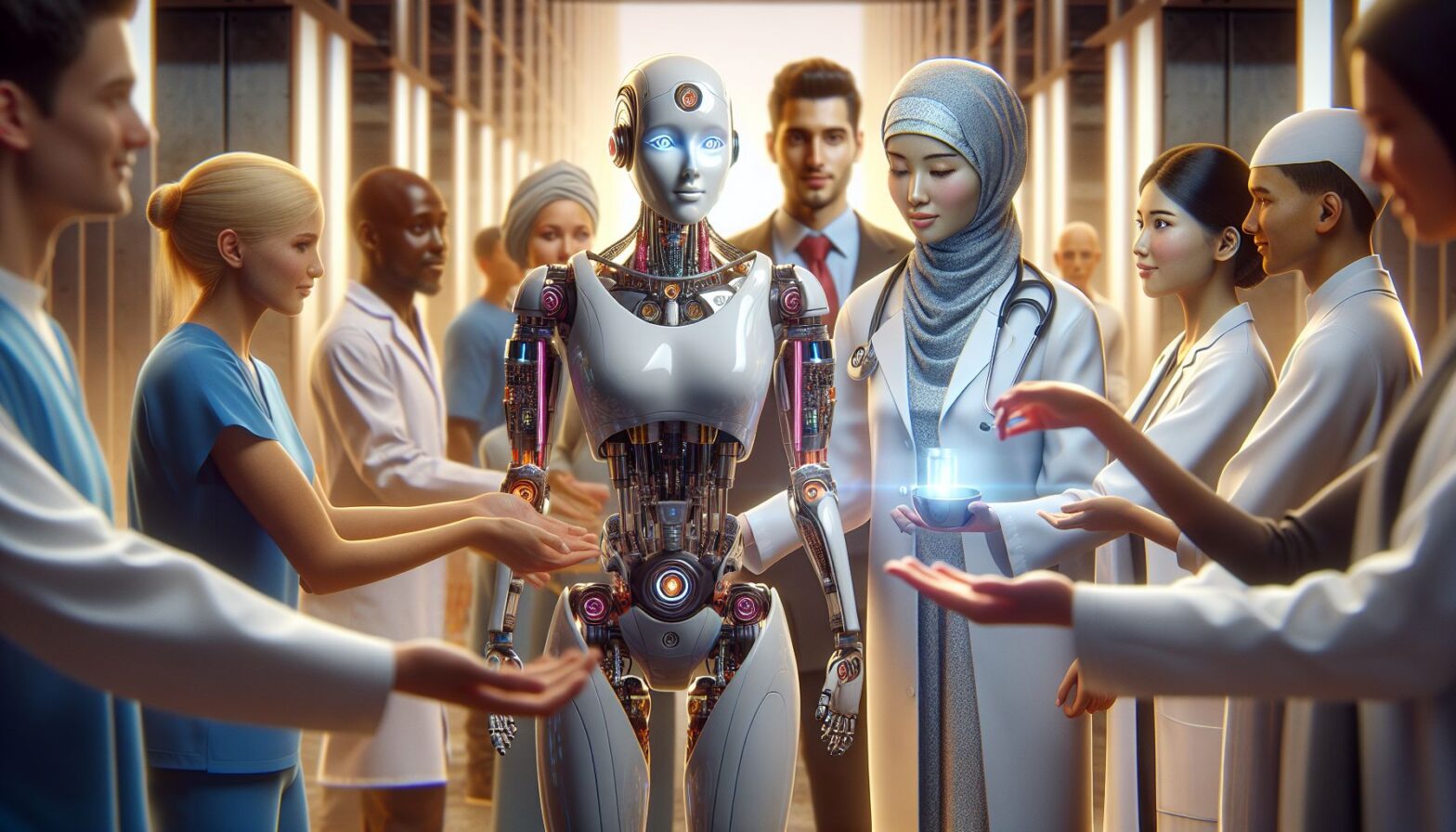
Hey folks, gather ’round! Today, we’re diving headfirst into a mind-blowing topic that reads like straight-up science fiction: humanoid robotics. Yep, it’s 2023, and while we don’t quite have the Cyberdyne T-800s or Westworld-style androids part-timing at your local Starbucks, we’re getting darn close.
If you’ve been living under a rock, humanoid robots are machines designed to replicate human form and behavior. I know, we’re entering into uncanny valley territory, but bear with me. From household assistants picking up our dirty laundry to industrial workers lifting weights like no human ever could, humanoid robotics promises a future that’s both exciting and, let’s be honest, a tad unnerving.
The Rise and Rise of Humanoid Robots
How did we get here, right? One minute we’re back-flipping the pages of Isaac Asimov novels, and the next, we’re watching humanoid robots nail backflips on YouTube! Interest in humanoid robotics really took off with advances in machine learning and computer vision. Companies like Boston Dynamics have shown robots jumping, running, basically doing everything short of moonwalking.
Remember that Boston Dynamics video where the Atlas robot nailed backflips better than a kid at gymnastics camp? More than just showing off their engineering chops, that video was an invitation to dream bigger: robots in service sectors, medical environments, even in outer space, helping out astronauts with the heavy lifting.
What’s Under the Hood? Tech Behind Humanoids
A humanoid robot isn’t just a hunk of metal walking beside you, any more than your smartphone is just a calculator with benefits. Nah, these bots are packed with sensors, actuators, and AI algorithms that make C-3PO look like a caveman.
Hardware: Inside, they’re running on a complex mix of mechanical actuators, electric motors, and pneumatic systems. Think of it like Leonardo da Vinci’s anatomical sketches coming to life in 3D. These components work together to create smooth, lifelike movement. Picture the precision needed for motors to copy the exact path of a human thumb grasping your morning coffee. Pretty wild stuff!
Software: Shift your attention from muscles to the brain, and that’s where all the real magic happens. We’re talking cutting-edge algorithms, AI-powered navigation systems, and social interaction programs all working together. This software lets humanoids walk, talk, and chat without missing a beat. No more silly stumbling over the cat’s toys.
The Humanoid Robot Job Market
Here’s where things get interesting. Humanoid robots are starting to eye jobs we’ve always thought were strictly human territory. And honestly? Some of these applications make a lot of sense.
Healthcare Helpers
Picture this: humanoid bots working alongside caregivers. Sometimes healthcare workers need extra arms, especially when lifting patients who need support. Robotic assistants could be perfect for this. They don’t get tired, don’t develop back problems, and they’re available 24/7.
Factory Work and Beyond
We’ve moved way past the days when robots were just metal arms poking at car parts. Now we’re talking about humanoids taking on complex assembly work across industries, from textiles to pharmaceuticals to consumer electronics.
Think about production workers handling detailed manual tasks. Could humanoid robots do this work faster and with laser precision? Business folks are definitely saying yes. The appeal of eliminating repetitive, mind-numbing work is huge. Though I do wonder what this means for everyone whose livelihood depends on that work.
The Flip Side: Real Concerns
Look, I’d be lying if I said there weren’t some serious concerns here. The biggest one? Jobs. What happens to workers when humanoid robots can do their work cheaper and faster?
Then there’s the ethics piece. These robots will be interacting with people in intimate settings like healthcare and homes. How do we make sure they’re programmed with the right values? What happens when something goes wrong? These aren’t easy questions, and frankly, I don’t think we have great answers yet.
Looking Ahead: What’s Next?
I’ll admit, thinking about where this all leads is both thrilling and a little overwhelming. We might be heading toward a world where humans and robots work side by side in ways we can barely imagine.
-
Smart Homes, Smarter Helpers: Imagine coming home to a house where your robot assistant has already tidied up, started dinner, and maybe even walked the dog. We’re not there yet, but the pieces are falling into place.
-
True AI Partnerships: Instead of just following commands, future humanoids might actually collaborate with us, offering suggestions and adapting to our preferences over time.
The pace of change feels almost too fast to keep up with sometimes.
My Take: Cautiously Optimistic
Here’s what I think: humanoid robotics is coming whether we’re ready or not. The technology is advancing too quickly and the potential benefits are too big for it to slow down now.
But we need to be smart about this. We can’t just barrel ahead without thinking through the consequences for real people and real communities. The companies developing these robots have a responsibility to consider the broader impact, not just the cool factor or the profit potential.
I’m genuinely excited about the possibilities. Robots that can help with dangerous jobs, assist elderly people aging at home, or explore places too risky for humans? Sign me up. But let’s make sure we’re building a future that works for everyone, not just the folks who can afford the latest robotic assistant.
What do you think? Are you ready to welcome our new humanoid neighbors, or does the whole thing give you the creeps? Either way, buckle up because this ride is just getting started.